
If you have recently been referred to physiotherapy, or you are simply exploring your options for pain relief and rehabilitation, one of the first questions you will likely ask is what types of physiotherapy techniques actually exist and which one is right for you.
Physiotherapy is not a one-size-fits-all discipline. Modern Physical Therapy combines a range of science-backed methods, from hands-on manual therapy to advanced technologies like shockwave therapy, each designed to address specific conditions, restore function, and reduce pain over time.
At Revamp Wellness, our registered physiotherapists in Langley and Cloverdale, BC, offer a comprehensive suite of Physio treatment techniques tailored to your unique needs. Whether you are recovering from a sports injury, managing chronic pain, or rehabilitating after surgery, this guide will walk you through every major physio treatment technique available today and help you understand which approach may be most appropriate for your situation.
What is Physiotherapy and How Does It Work
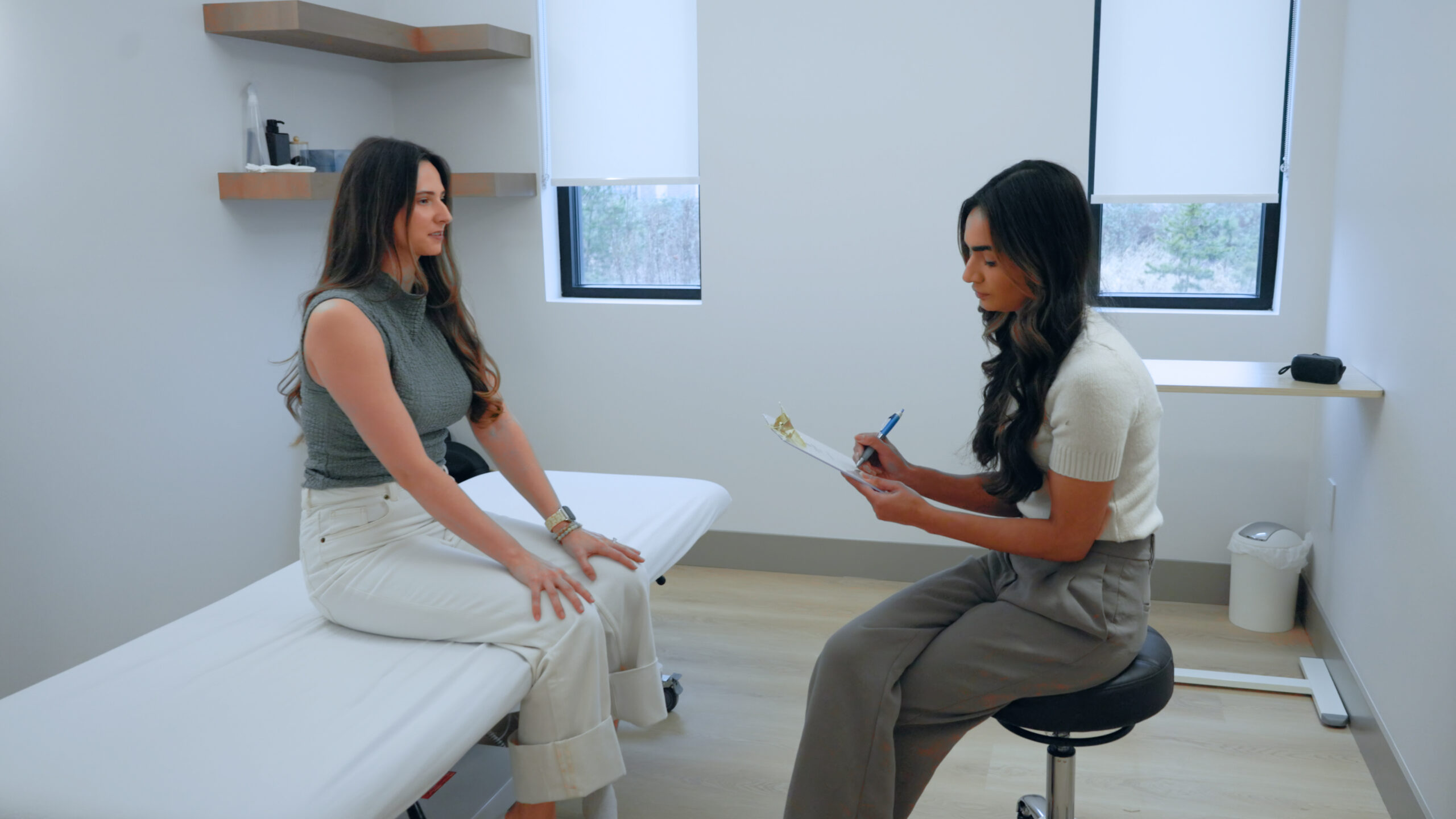
Physiotherapy is a regulated healthcare profession focused on restoring movement, reducing pain, and improving quality of life through evidence-based physical interventions.
Physiotherapists assess the musculoskeletal, neurological, and cardiovascular systems to diagnose movement dysfunction and design individualized treatment plans.
In British Columbia, physiotherapists must be registered with the College of Complementary Health Professionals of BC, which ensures that every physical therapy technique applied at a regulated clinic meets rigorous professional standards.
Common conditions treated through Physio include back pain, neck pain, sports injuries, post-surgical rehabilitation, sciatica, whiplash from motor vehicle accidents under ICBC, work injuries under WSBC, and a wide range of chronic musculoskeletal conditions that affect daily function and quality of life.
Serving You Locally
Revamp Wellness operates two physiotherapy clinics in BC. Our Langley location can be found at revampwellness.ca, and our Cloverdale location at revampwellness.ca/cloverdale. Both clinics offer the full range of physical therapy techniques described in this guide.
1. Manual Therapy: The Foundation of Hands-On Physiotherapy
Manual therapy is the cornerstone of physiotherapy practice. This category of common Physio treatment techniques involves skilled, hands-on methods applied directly to joints, muscles, and soft tissues to reduce pain, improve mobility, and restore normal movement patterns.
Holistic manual therapy takes a whole-body perspective, recognizing that restrictions in one area of the body often contribute to pain and dysfunction elsewhere. A physiotherapist trained in holistic manual therapy will assess the entire kinetic chain before deciding where to apply treatment, rather than focusing only on the site of pain.
What Manual Therapy Includes
Manual therapy covers several distinct techniques, each suited to different clinical presentations:
- Joint mobilization: gentle, graded movements applied to a joint to improve range of motion and reduce stiffness, appropriate after injury, surgery, or prolonged immobility
- Joint manipulation: a controlled thrust applied to a restricted joint, effective for acute pain episodes and joint fixations that have not responded to mobilization alone
- Soft tissue mobilization: targeted pressure applied to muscles, fascia, and connective tissue to release tension and improve blood flow
- Myofascial release: sustained, low-load pressure applied to fascial restrictions, particularly useful for chronic pain, postural dysfunction, and post-surgical adhesions
Research consistently shows that manual therapy combined with exercise produces superior outcomes compared to either treatment used in isolation. It is one of the most evidence-supported physiotherapy methods for neck pain, lower back pain, and joint-related conditions.
2. Exercise Therapy and Rehabilitation: Building Lasting Recovery
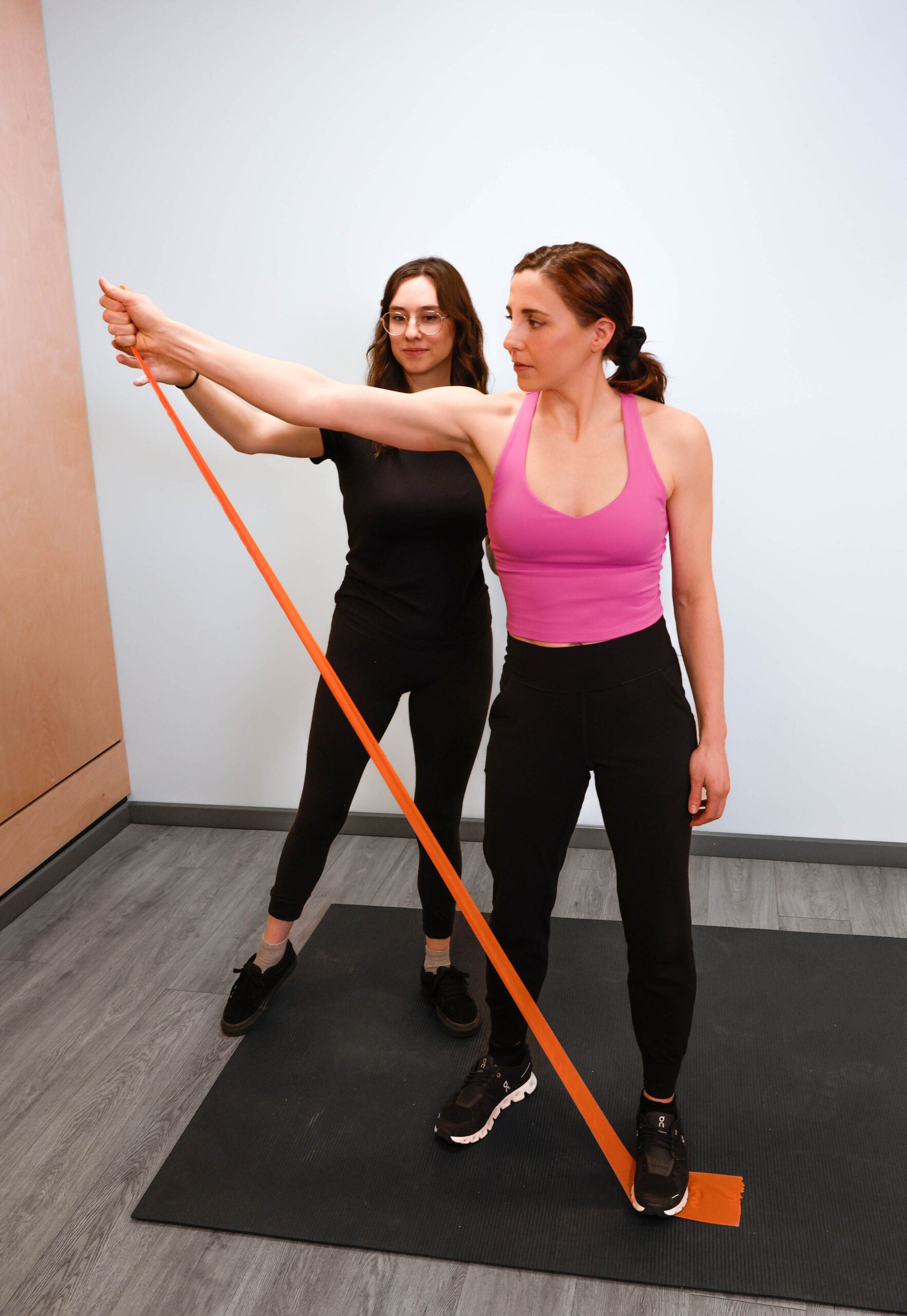
Exercise therapy is a structured, supervised program of physical movement designed to improve strength, flexibility, endurance, coordination, and neuromuscular control. It is one of the most research-supported Physio methods available and forms the backbone of effective rehabilitation programs worldwide.
Unlike generic gym-based exercise, physiotherapy exercise programs are individually prescribed based on a thorough clinical assessment. Each exercise is selected for a specific therapeutic purpose, progressed at the right rate, and modified based on your response to treatment.
Types of Exercise Used in Physiotherapy
Physiotherapists draw from a broad toolkit of exercise approaches depending on the patient’s diagnosis, stage of recovery, and functional goals:
- Therapeutic exercise: targeted movements prescribed to address specific impairments, such as rotator cuff strengthening after a shoulder injury or hip abductor training to offload knee pain
- Neuromuscular re-education: exercises that retrain the nervous system and muscles to move correctly after injury or surgery, essential for proprioceptive deficits and movement pattern dysfunction
- Functional rehabilitation: task-specific training that bridges the gap between clinic-based exercise and the real demands of daily life or sport
- Core stabilization: deep abdominal and spinal muscle training that provides the foundation for all movement, central to treating lower back pain and postural imbalances
- Return-to-sport protocols: progressive loading programs using objective performance benchmarks to determine readiness for full sport participation after ACL tears, fractures, or tendon injuries
At Revamp Wellness in Langley and Cloverdale, exercise therapy programs are designed and progressed by your physiotherapist based on regular reassessment, ensuring you are always working at the right intensity for your stage of recovery.
3. Electrical Stimulation: TENS and EMS in Physiotherapy
Electrical stimulation encompasses a group of Physio techniques that use controlled electrical currents to reduce pain, stimulate muscle contractions, and accelerate tissue healing. The two most commonly used forms in physiotherapy are TENS and EMS.
TENS Therapy
Transcutaneous Electrical Nerve Stimulation works by delivering low-voltage electrical impulses through surface electrodes placed on the skin. These impulses interfere with pain signal transmission along nerve pathways, providing immediate, drug-free pain relief for both acute and chronic conditions. It is safe, non-invasive, and well-tolerated by the vast majority of patients, including seniors and post-surgical cases.
EMS Therapy
Electrical Muscle Stimulation delivers impulses that directly trigger muscle contractions. It is used to prevent muscle atrophy in immobilized limbs, re-educate weakened muscles after neurological injury or prolonged disuse, and improve circulation in post-surgical patients who are unable to perform active exercise at full intensity.
Clinical Note
Electrical stimulation is frequently combined with manual therapy and exercise within a single physical therapy session, particularly for patients with chronic pain, post-surgical weakness, or motor vehicle accident injuries managed under ICBC in BC.
4. Dry Needling: Precision Treatment for Muscle Pain
Dry needling is a specialized physical therapy technique in which a fine, sterile needle is inserted into myofascial trigger points. These are tight, hypersensitive knots within muscle tissue that cause localized pain and referred discomfort to other areas of the body. The goal is to release muscle tension, reduce pain, and restore normal function.
Despite using the same needles as acupuncture, dry needling is grounded in Western neuroanatomy and musculoskeletal science rather than traditional Chinese medicine theory. It targets specific anatomical structures based on the physiotherapist’s clinical assessment.
How Dry Needling Works
When a needle is inserted into a trigger point, it often produces a local twitch response, which is a brief, involuntary contraction of the affected muscle fibers. This mechanical disruption resets the abnormal electrical activity within the trigger point, restores normal blood flow, and releases the accumulated metabolic waste products that cause sustained pain and stiffness.
Conditions Treated with Dry Needling
Dry needling is clinically effective for a range of musculoskeletal conditions:
- Chronic neck and shoulder pain from desk work or postural strain
- Lower back pain and sciatica with referred leg symptoms
- Tension headaches and cervicogenic migraines
- Plantar fasciitis causes chronic heel and arch pain
- Sports injuries and acute muscle strains
- Temporomandibular joint dysfunction
- Post-surgical muscle guarding that limits rehabilitation progress
5. Shockwave Therapy: Advanced Treatment for Chronic Tendon Conditions
Shockwave therapy, also referred to as extracorporeal shockwave therapy, is one of the most powerful modern physiotherapy treatment techniques for chronic tendon and soft tissue conditions. It uses focused acoustic pressure waves delivered to the affected tissue through a handheld probe, stimulating the body’s natural healing response at the cellular level.
What is Shockwave Therapy and How Does it Work
When high-energy acoustic waves penetrate deep tissue, they trigger a controlled microtrauma response that prompts the release of growth factors, increases collagen synthesis, stimulates new blood vessel formation through neovascularization, and breaks down calcified deposits within tendon tissue. The net result is accelerated tissue repair in structures that would otherwise remain in a chronic, non-healing state.
Shockwave therapy is a non-surgical, non-invasive procedure performed entirely in-clinic. Sessions typically last 15 to 20 minutes, and most patients require between three and six sessions spaced one week apart. It carries a strong evidence base for chronic tendinopathies that have failed to respond to conventional physiotherapy methods.
Who is Shockwave Therapy Best Suited For
Shockwave therapy produces the strongest results for patients with the following conditions:
- Chronic Achilles tendinopathy that has persisted for more than three months
- Plantar fasciitis resistant to stretching, orthotics, and standard physiotherapy
- Calcific shoulder tendinitis with calcium deposits visible on imaging
- Patellar tendinopathy, commonly known as jumper’s knee
- Lateral epicondylitis, commonly known as tennis elbow
- Greater trochanteric pain syndrome affecting the outer hip
Clinical Insight
Patients who have undergone physiotherapy, massage, and anti-inflammatory treatment without lasting relief are often ideal candidates for shockwave therapy. It is particularly effective when the condition has been present for more than three months.
How to Choose the Right Physiotherapy Technique for Your Condition
With so many physiotherapy methods available, the natural question is how to determine which treatment is right for your specific situation. The most accurate answer is that your registered physiotherapist will determine this through a thorough initial assessment, not through a one-size-fits-all protocol.
During your first visit at Revamp Wellness in Langley or Cloverdale, your physiotherapist will conduct a comprehensive evaluation that covers your full health history and how the injury occurred, postural and movement screening, joint mobility and muscle strength testing, neurological assessment where clinically indicated, and functional movement analysis relevant to your daily activities or sport.
Based on this assessment, your physiotherapist will design a personalized treatment plan that selects the physical therapy techniques most appropriate for your diagnosis, your goals, and your realistic timeline for recovery.
| Condition | Recommended Technique | Treatment Goal |
| Chronic back pain | Manual Therapy with Exercise Therapy | Restore mobility and rebuild strength |
| Tendinopathy over 3 months | Shockwave Therapy with Exercise | Stimulate tissue healing |
| Acute sports injury | Manual Therapy with TENS and Exercise | Reduce pain and prevent atrophy |
| Muscle trigger points | Dry Needling with Manual Therapy | Release tension and restore range of motion |
| MVA or ICBC injury | Manual Therapy, TENS, and Rehab | Full functional recovery |
Physiotherapy in Langley and Cloverdale, BC
Revamp Wellness is a multi-disciplinary wellness clinic with two locations in the Fraser Valley, serving residents of Langley and Cloverdale with access to the full range of modern physical therapy techniques described throughout this guide.
Langley Physiotherapy Clinic
Our Langley physiotherapy clinic serves residents of Langley City, Langley Township, Walnut Grove, Willoughby, and surrounding Fraser Valley communities. We offer direct billing for ICBC motor vehicle accident claims, WSBC work injury claims, and most extended health insurance plans. You can learn more or book an appointment at revampwellness.ca.
Cloverdale Physiotherapy Clinic
Our Cloverdale physiotherapy clinic serves residents of Cloverdale, South Surrey, Clayton Heights, and the broader Surrey area. Same-day and next-day appointments are often available, depending on the nature of your condition. You can book directly at revampwellness.ca/cloverdale.
Why Patients Choose Revamp Wellness
Our physiotherapists are Registered Physiotherapists licensed with the College of Complementary Health Professionals of BC. We offer direct billing to ICBC, WSBC, and extended health benefits so that accessing care is as straightforward as possible for our patients. Every patient begins with a comprehensive initial assessment so that we can identify the root cause of the problem rather than simply treating symptoms.
We apply evidence-based physiotherapy techniques without guesswork, and we integrate Physio, chiropractic, and massage therapy under one roof so that your care plan can be coordinated across disciplines when needed.
Ready to Book
Whether you are in Langley or Cloverdale, our physiotherapy team is ready to help you recover. Call us or book online today for a comprehensive physical therapy assessment and find out which techniques are right for your recovery.
Frequently Asked Questions About Physiotherapy Techniques
What are the most common physiotherapy treatment techniques?
The most commonly used physiotherapy methods include manual therapy covering joint mobilization and manipulation, exercise therapy, electrical stimulation using TENS and EMS, dry needling, and shockwave therapy. Most treatment sessions combine two or more of these techniques based on the patient’s diagnosis and response to care.
What is the difference between manual therapy and exercise therapy?
Manual therapy is a passive, hands-on treatment applied by your physiotherapist to improve joint mobility, reduce pain, and release soft tissue restrictions. Exercise therapy is an active treatment where you perform specific movements under your physiotherapist’s guidance to rebuild strength, flexibility, and neuromuscular control. Both are evidence-based and are frequently combined within a single treatment session for greater effect.
Is shockwave therapy painful?
Shockwave therapy can cause mild discomfort during the session, particularly over the area being treated. Most patients describe the sensation as a repetitive pressure rather than sharp pain. Discomfort typically subsides within 24 hours of treatment, and many patients report significant pain relief and improved function after their first or second session.
How many physiotherapy sessions will I need?
The number of sessions depends on your diagnosis, the severity of your condition, and your recovery goals. Acute injuries often respond well within four to six sessions, while chronic conditions such as tendinopathy may require eight to twelve sessions or more. Your physiotherapist will provide a realistic treatment timeline after completing your initial assessment.
Does ICBC cover physiotherapy in Langley and Cloverdale?
Yes. Revamp Wellness in both Langley and Cloverdale offers direct billing for ICBC physiotherapy coverage. If you were injured in a motor vehicle accident in BC, you may be entitled to physical therapy treatment under your ICBC Enhanced Care coverage, often with no out-of-pocket cost to you. Contact us to confirm your coverage before your first appointment.
Conclusion
Understanding the different types of physical therapy techniques puts you in a stronger position to have informed conversations with your healthcare team and to make better decisions about your own recovery. From holistic manual therapy and exercise-based rehabilitation to advanced options like shockwave therapy, modern Physio offers effective, evidence-based solutions for a wide range of musculoskeletal and neurological conditions.
At Revamp Wellness, our physiotherapy teams in Langley and Cloverdale, BC, are committed to delivering personalized, results-focused care using the techniques that are most appropriate for your specific needs. We accept ICBC, WSBC, and most extended health plans, and we would be glad to help you take the next step toward recovery.
Book Your Physiotherapy Assessment Today
Langley: revampwellness.ca | Cloverdale: revampwellness.ca/cloverdale | Direct billing available for ICBC, WSBC, and extended health insurance.
