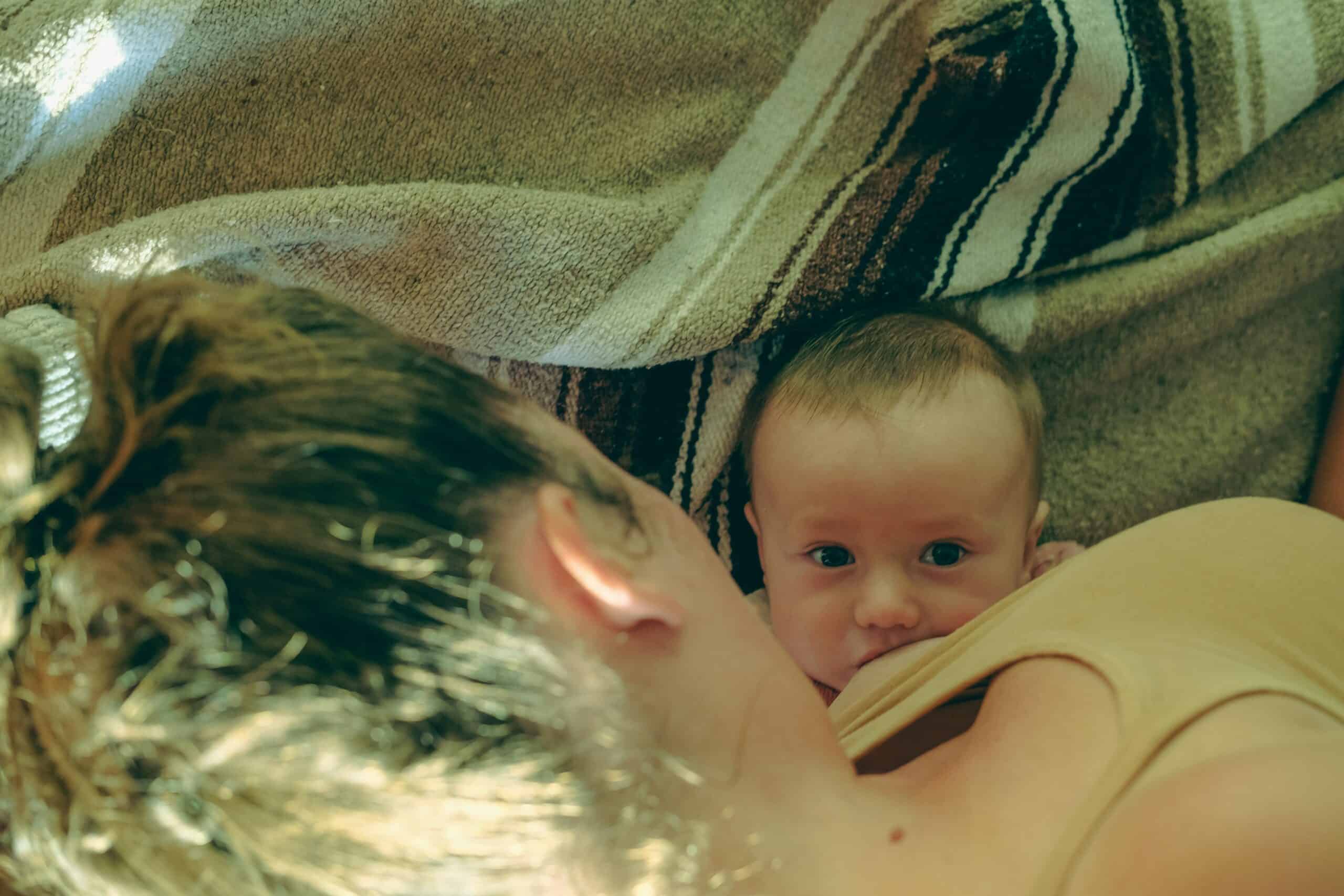
For nursing mothers, a clogged milk duct can be an uncomfortable and painful experience. It occurs when milk fails to flow freely through the milk ducts, causing a blockage. While there are various treatment options available, one alternative therapy that has gained popularity is acupuncture. In this blog, we will explore how acupuncture can help in relieving and even curing a clogged milk duct. We’ll delve into the scientific explanation behind this ancient practice and also discuss the benefits of pre and postnatal acupuncture for overall maternal well-being.
Understanding Acupuncture:
Acupuncture is a traditional Chinese medicine technique that involves inserting thin needles into specific points on the body. These points, known as acupuncture points or acupoints, are believed to be connected through pathways called meridians. By stimulating these acupoints, acupuncture aims to restore the balance of energy, or Qi (pronounced “chee”), within the body.
What is a clogged milk duct?
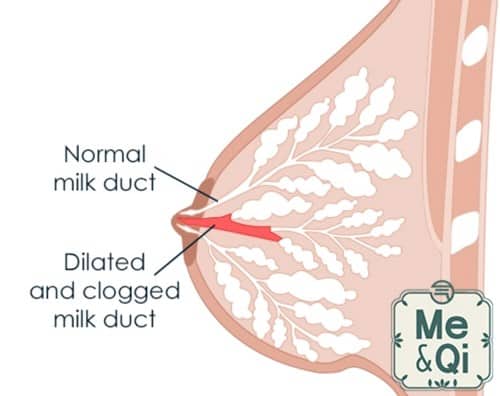
A clogged milk duct, also known as a plugged milk duct or blocked milk duct, refers to a condition that can occur in breastfeeding individuals. It happens when one of the milk ducts in the breast becomes obstructed, preventing the smooth flow of breast milk. This blockage can cause discomfort, pain, and swelling in the affected area of the breast.
There are several reasons why a milk duct can become clogged. Some common causes include inadequate milk removal due to infrequent breastfeeding or inefficient milk expression, pressure on the breast from tight-fitting clothing or a poorly fitting bra, excessive pressure or trauma to the breast, and milk oversupply. Sometimes, bacteria can also contribute to the blockage, leading to inflammation and a condition called mastitis.
The symptoms of a clogged milk duct may include a tender lump or firm area in the breast, localized pain or discomfort, swelling or redness in the affected area, and decreased milk flow from the affected breast. It’s important to address a clogged milk duct promptly to prevent further complications such as mastitis.
If the symptoms persist or worsen, or if you develop signs of infection such as fever, chills, or flu-like symptoms, it’s essential to seek medical advice from a healthcare professional. They can provide further guidance, evaluate the situation, and recommend appropriate treatment options if necessary.
Acupuncture for Clogged Milk Duct
Scientific studies have shown that acupuncture can have several physiological effects on the body, which can help in the treatment of clogged milk ducts. When the needles are inserted into the acupoints, they stimulate the nerves, muscles, and connective tissues in the targeted area. This stimulation can promote the release of endorphins, which are natural pain-relieving chemicals in the body. Additionally, acupuncture can increase blood circulation and lymphatic flow, aiding in the reduction of inflammation and the removal of blockages.
When it comes to treating clogged milk ducts, acupuncture can provide significant relief. By targeting specific acupoints, acupuncture can help to:
Pain relief: Acupuncture provides effective pain relief for nursing mothers experiencing a clogged milk duct. The release of endorphins during treatment helps alleviate pain and discomfort in the affected area.
Unblock milk flow: By increasing blood circulation and lymphatic flow, acupuncture helps remove blockages in the milk ducts, allowing milk to flow freely once again. This can lead to the resolution of clogged ducts and the prevention of further complications.
Reduce inflammation: Acupuncture’s ability to reduce inflammation in the breast tissue can aid in the healing process of clogged milk ducts. By reducing swelling and promoting tissue repair, acupuncture supports the overall recovery of the affected area.
Promote relaxation and stress reduction: Nursing mothers often experience stress and anxiety related to breastfeeding challenges. Acupuncture sessions offer a calming and relaxing experience, helping to reduce stress levels and enhance overall well-being.
Did you know? Acupuncture can also be used preventively to reduce the risk of developing clogged milk ducts in the first place? Regular acupuncture sessions during pregnancy can help maintain healthy energy flow, promote optimal breast health, and reduce the likelihood of blockages in the milk ducts. By addressing any imbalances or blockages early on, acupuncture can contribute to a smoother breastfeeding journey for new mothers.
Remember, while acupuncture can be a beneficial complementary therapy for clogged milk ducts, it’s essential to consult with a qualified acupuncturist or healthcare professional for an accurate diagnosis and personalized treatment plan.
Pre and Postnatal Acupuncture:
Pregnancy and the postpartum period can bring about various physical and emotional changes for women. Acupuncture can be a beneficial therapy during this time, not only for clogged milk ducts but also for overall well-being. Here are some key benefits of pre and postnatal acupuncture:
Hormonal balance: Acupuncture helps regulate hormone levels, which can alleviate mood swings, anxiety, and depression often experienced during pregnancy and the postpartum period. Balancing hormones supports emotional well-being and enhances the bonding experience with the baby.
Pain management: Acupuncture provides a drug-free approach to managing common pregnancy discomforts, such as back pain, sciatica, headaches, and pelvic pain. It offers a safe and natural alternative to conventional pain medication.
Improved lactation: Acupuncture can stimulate the production of prolactin, a hormone responsible for milk production. It can enhance milk supply, address issues with milk letdown, and help nursing mothers establish successful breastfeeding relationships with their babies.
Postpartum recovery: Acupuncture sessions after childbirth can promote healing, reduce postpartum pain, and assist in restoring the body’s balance. It aids in postpartum recovery by supporting the body’s natural healing processes.
If you’re searching for a Langley Acupuncturist look no further. Revamp Wellness offers Acupuncture, Naturopathic Medicine, Kinesiology, Physiotherapy, Massage Therapy, and Chiropractic. Revamp Wellness uses an integrated approach to wellness and rehabilitation so we can better serve your individualized health needs.